
"coffee tree classification"
2000 article(s) found

Flavor characteristics of Yemeni Coffee Classification of Yemeni mocha Coffee characteristics of Yemeni Coffee
Yemeni coffee Yemen produces bean-shaped berry coffee beans (Peaberrybean): this coffee bean is smaller and rounder than most coffee beans and looks like peas, sometimes referred to as mocha coffee beans. The shape of mocha coffee beans is similar to that of Ethiopia's Harrar coffee beans.

Taste characteristics of Brazilian yellow bourbon coffee-coffee classification and taste characteristics
Brazil Yellow bourbon Coffee Taste characteristics-Coffee Classification and Taste characteristics bourbon species, native to Bourbon Island in the Indian Ocean (now known as Reunion Island), is the second species caused by Typica mutation, belongs to the oldest existing coffee variety, the green fruit will show bright red when ripe, while the yellow bourbon species is a hybrid between bourbon species and other varieties. Because its output is lower, and more than

World Coffee Bean Classification: Robasta Coffee Bean Coffee. Robustra introduction
Robastian coffee (Coffee. Robustra): more precisely, C. canephora Robustra can produce robastian beans. Because of its poor taste, it contains 2-3 times as much caffeine as Arabica coffee (C.Arabica). It is usually used for the production of instant coffee and Arabica coffee (C.A) in the large coffee industry.

Coffee is divided into two varieties: Arabica and Robusta Coffee classification Introduction Coffee is divided into
The major coffee varieties grown worldwide today are derived from two original species: arabica and robusta. The planting methods, growth environment and other characteristics of the two are different, and even the caffeine content is also quite different. Since coffee fruits do not ripen at the same time on the same tree, high-quality coffee must be hand-picked. About 75 percent of the world's population
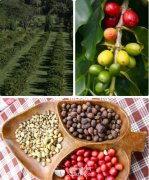
Coffee classification
Special classification system of coffee: 1. Subgenus Coffea: 2. Malagasy coffee subgenus: 3. Subgenus Pala Coffee: 4. Age coffee subgenus: a, red coffee group: B, thick-skinned coffee group: C, Mozambican coffee group: d, black fruit coffee group E, dwarf coffee group: red fruit coffee group: a) Arabica species: Tibica varieties: (Tp)
The origin of coffee plants, coffee trees, coffee trees.
Professional coffee knowledge exchange More coffee bean information Please pay attention to coffee workshop (Weixin Official Accounts cafe_style) Plant classification The origin of coffee can be traced back to a plant called coffee. There are more than 500 genera and 6000 species of tropical trees and shrubs in this genus. Experts estimate that there are 25 to 100 coffee plants around the world. In the 18th century, Swedish botanist Carlos Linnais (

Coffee knowledge | Classification and characteristics of common coffee beans
Professional baristas please follow the coffee workshop (Wechat official account cafe_style) [about coffee beans] what is available on the market is coffee in three forms: raw beans, cooked beans and coffee powder. It is recommended that you buy coffee cooked beans, and the fresh the better, because raw beans need to be roasted to change the taste before consumption, but after baking, various flavors will follow moisture and carbon dioxide.

Coffee classification system
Special classification system of coffee: 1. Subgenus Coffea: 2. Malagasy coffee subgenus: 3. Subgenus Pala Coffee: 4. Age coffee subgenus: a, red coffee group: B, thick-skinned coffee group: C, Mozambican coffee group: d, black fruit coffee group E, dwarf coffee group: red fruit coffee group: a) Arabica species: Tibica varieties: (Tp)

A brief introduction to the varieties of coffee beans-how many countries have planted coffee trees
Due to the spread of coffee in different areas, the age of development is also different, ethnic groups or including religious beliefs are also different, so different regions retain different methods of making and drinking coffee. The earliest was Turkish coffee; then there was filtered coffee, Italian espresso (Espresso), and so on. This classification concept mainly refers to the selection of different coffee beans.

Ethiopian Coffee | Flavor characteristics and Classification of Ethiopian Yega Snow Coffee
For more information on coffee beans, please follow the coffee workshop (Wechat official account cafe_style) [product name]: Ethiopia Yirgacheffe, Ethiopia [quality rating]: WP Grade 2 [roasting degree]: recommended moderate roasting degree (Medium Roast or City Roast) [Grade]: excellent [granules]:
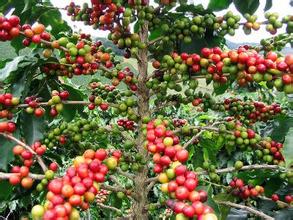
A brief understanding of the varieties of coffee trees, a detailed analysis of the classification of coffee trees.
Different varieties of coffee beans have different tastes, but even the same varieties of coffee trees have their own unique flavor due to the influence of different soil and climate. 1. Arabica Coffee Tree (coffeaarabica) originated from Arabica Coffee Tree in Ethiopia, which accounts for 70% of the world's coffee bean production. The world-famous Lanshan Gaffin and Mo
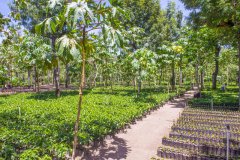
Understand coffee, the first step to become coffee powder, beans producing areas, classification, flavor take you into
Professional barista communication please pay attention to the coffee workshop (Wechat official account cafe_style) Coffee basic type of coffee is a daily drink for many people, living on flat land, it is difficult to see the growth of coffee trees, here are some quick summaries about coffee: Rubiaceae coffee evergreen flowers are white, fragrant coffee beans, are actually the seeds of coffee

Coffee Common sense Coffee Special Classification system
Special classification system of coffee: 1. Subgenus Coffea: 2. Malagasy coffee subgenus: 3. Subgenus Pala Coffee: 4. Age coffee subgenus: a, red coffee group: B, thick-skinned coffee group: C, Mozambican coffee group: d, black fruit coffee group E, dwarf coffee group: red fruit coffee group: a) Arabica species: Tibica varieties: (Tp)
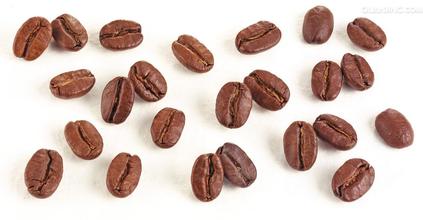
The classification of coffee the culture of coffee
Coffee classification editor coffee trees can be roughly divided into five types, of which Arabica and Robusta are the more common. Arabica species, which account for more than 70% of the world's total output, are generally grown on slopes above 900 meters above sea level and are mostly found in tropical high-altitude areas such as Central and South America, East Africa, Southeast Asia and Hawaii. Its pleasant aroma and rich nourishment
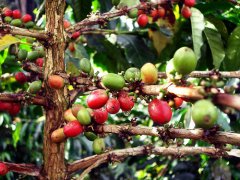
Plant classification of coffee beans
Green trees and Rubiaceae plants have been dominated by plants with special effects since ancient times, such as quinine tree, which is regarded as a specific drug for malaria, and Dugen, which is used to treat amigellosis. Coffee is positioned as the most unique alkaloid drinking plant group. Usually after sowing for two to three years, coffee trees can grow to a height of about five to ten meters, but to prevent coffee beans from losing their aroma and taste, and

El Salvador coffee history introduction El Salvador coffee six major producing areas and coffee classification system
El Salvador, known as the home of volcanoes, is the smallest country in Central America (roughly the same size as New Jersey). Coffee was grown after independence from Nicaragua in the mid-19th century and quickly became a popular cash crop. Active volcanic activity brings mineral-rich volcanic ash to the country, mainly volcanic ash in the soil composition

The basic classification of coffee varieties? What are the common types and characteristics of coffee? The name of the classification of coffee beans
Professional coffee knowledge exchange more coffee bean information please follow the coffee workshop (Wechat official account cafe_style) the basic classification of coffee varieties? What are the common types and characteristics of coffee? What is the name and taste of coffee beans? Coffee beans can be divided into Arabica and Robusta: Arabica accounts for about 70% of the total output of coffee in the world.

Coffee beans Coffee Tree Coffee Tree Coffee Bean
Classification of plants Coffee beans Coffee trees belong to the evergreen tree of Rubiaceae. Rubiaceae plants have been dominated by plants with special effects since ancient times, such as quinine tree, which is regarded as a specific drug for malaria, and Dugen, which is used to treat amoeba dysentery. Coffee is defined as the most unique alkaloid drinking flora. The fruit of coffee consists of outer skin, pulp, endocarp, silver skin, and the above-mentioned layers.

How many kinds of coffee are there in the world? bookstore cafes
In addition to the classification according to the planting area, there is another classification of coffee plants, that is, coffee trees, or coffee varieties. According to plant classification, the number of varieties of coffee trees is very large, but there are only two main varieties commonly used for coffee; one is Arabian coffee, and the other is Robbas special coffee. The former tastes pure and tastes good, but the concentration

What are the common types and classification of coffee beans? What are the varieties and characteristics of coffee? Common coffee
Professional coffee knowledge exchange more coffee bean information please pay attention to the coffee workshop (Wechat official account cafe_style) common types and classification of coffee beans? What are the varieties and characteristics of coffee? What are the common types and origin of coffee beans? There are only two kinds of plants that are of real commercial value and are planted in large quantities. One is Elaraby plus seed (ARABICA), the other is